
 Africa
 Algeria
 Benin
Benin Botswana
 Burkina-faso
 Burundi
 Cameroon
 Central African Republic
 Chad
Chad Congo (Democratic Republic of)
 Congo Republic
 Egypt
Egypt Eswatini
 Gabon
Gabon Ghana
Ghana Guinea-Bissau
 Ivory Coast
 Jamaica
 Kenya
Kenya Lesotho
 Liberia
 Libya
Libya Madagascar
 Malawi
 Mali
Mali Mauritius
 Mayotte
 Morocco
 Mozambique
 Niger
Niger Nigeria
 Republic of Rwanda
 Senegal
 Seychelles
 Sierra Leone
 South Africa
 Sudan
Sudan Tanzania
 Tunisia
 Uganda
 Zambia
 America
 Anguilla
 Antigua and Barbuda
 Argentina
 Aruba
Aruba Bahamas
 Barbados
 Belize
 Bermuda
 Bolivia
 Brazil
 Canada
 Chile
Chile Colombia
 Costa Rica
 Curacao
 Dominica
 Dominican
 Ecuador
 El Salvador
 Greenland
 Grenada
 Guadeloupe
 Guatemala
 Guyana
 Haiti
Haiti Haiwaii
 Honduras
 Martinique
 Mexico
 Montserrat
 Nicaragua
 Panama
 Paraguay
 Peru
Peru Puerto Rico
 Saint Barthelemy
 Saint Kitts and Nevis
 Saint Lucia
 Saint Martin
 Saint Vincent
 Sint Maarten
 Suriname
 Trinidad and Tobago
 United States
 Uruguay
 Venezuela
 Asia
Asia Afghanistan
 Armenia
 Azerbaijan
 Bahrain
 Bangladesh
 Bhutan
 Brunei
 Cambodia
 China
China Dubai UAE
 Georgia
 Hongkong
 India
India Indonesia
 Iran
Iran Iraq
Iraq Israel
 Japan
Japan Jordan
 Kazakhstan
 Kuwait
 Kyrgyzstan
 Laos
Laos Macau
Macau Malaysia
 Maldives
 Mongolia
 Nepal
Nepal Oman
Oman Pakistan
 Palestine
 Philippines
 Qatar
Qatar Saudi Arabia
 Singapore
 South Korea
 Sri Lanka
 Taiwan
 Tajikistan
 Thailand
 Tibet (China)
 Uzbekistan
 Vietnam
 Yemen
Yemen Europe
 Albania
 Andorra
 Austria
 Azores
 Belarus
 Belgium
 Bosnia and Herzegovina
 Bulgaria
 Corsica
 Croatia
 Cyclades
 Cyprus
 Czechia
 Denmark
 Estonia
 Finland
 France
 Germany
 Gibraltar
 Greece
 Guernsey
 Hungary
 Iceland
 Ireland
 Isle of Man
 Italy
Italy Jersey
 Kosovo
 Latvia
 Liechtenstein
 Lithuania
 Luxembourg
 Macedonia
 Malta
Malta Moldova
 Monaco
 Montenegro
 Netherlands
 Norway
 Poland
 Portugal
 Rhodes
 Romania
 Russia
 San Marino
 Sardinia
 Scotland
 Serbia
 Sicily
 Slovakia
 Slovenia
 Spain
Spain Svalbard and Jan Mayen
 Sweden
 Switzerland
 The Vatican City State
 Turkey
 Ukraine
 United Kingdom
 Wales
Wales Oceania
 Australia
 Fiji
Fiji Guam
Guam Nauru
Nauru New Zealand
 Papua New Guinea
 Saipan
 Tonga
Tonga Vanuatu
 Western Samoa
 Africa 23 Countries
 Africa 6 Countries
 Caribbean & South America 36 Countries
 USA & Mexico
 USA Canada Mexico
 Latin America 6 Countries
 North America 6 Countries
 Caucasus Mountains 3 Countries
 China Hongkong Macau
 Central Asia 4 Countries
 Asia 13 Countries
 Asia 19 Countries
 Balkans Region 12 Countries
 Europe 49 Countries
 Europe 33 Countries
 Northern Europe 4 Countries
 UK & Ireland
 Global
 Global 108 Countries
 Global 89 Countries
 Global 157 Countries
 Global 45 Countries
Plan your 2025 Vietnam trip with ease - get tips on visas, packing, weather, eSIMs, transport, food, safety, and cultural dos and don’ts for a smooth journey.
Prepare for your Vietnam adventure with our tourists' guide: what to pack, safety tips, Vietnam eSIM, and dos & don'ts for you to have a remarkable journey.
Planning Your Vietnam Trip—Where to Start
Vietnam features a variety of attractions. Like sandy beaches, hilly areas, lots of small towns, and cities. As for you, what is it you aim for: the sea, the mountains, or a crowded city?
You'll likely start by specifying your travel dates. Also, the place where you'll land (unless it's not Vietnam). And for how many days do you plan to be exploring the country? Every parameter plays on your experience.
Know Before You Go
Visa & Entry
Most travellers need a visa, though some get a 15–45-day visa-free. Apply online, it's fast and easy.
Vaccinations
For short trips, routine vaccines are enough. For more extended stays, consider hepatitis A, typhoid, and tetanus.
Currency Tips
Vietnam uses the dong. Avoid airport exchange rates, use authorised money changers or local banks.
Best Time to Visit Vietnam
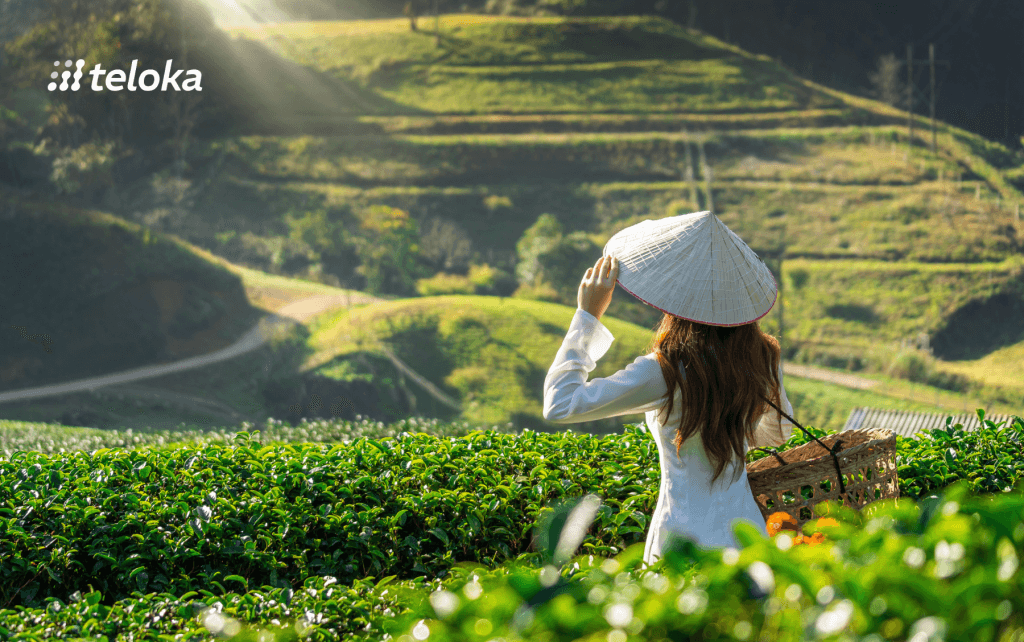
Source - unsplash.com
Regional Weather Differences (North, Central, South)
Visit Vietnam from November to April for the best weather.
- North Vietnam is hot and wet from May to October, cool and dry from November to April.
- Central Vietnam is dry from January to August, with heavy rain from September to November.
- South Vietnam stays dry from November to April and wet from May to October, peaking in mid-year.
Month-by-Month Breakdown
- Jan–Mar: Cool in the north, ideal in the south. The Tet festival happens in this period.
- Apr–Jun: Hot weather. Suitable for beach trips and early trekking.
- Jul–Sep: Expect rain. Lush landscapes and fewer tourists.
- Oct–Dec: Best time overall, pleasant across most regions.
When to See Rice Terraces, Festivals, and Beaches
Head to Sapa and Mu Cang Chai in September to see the golden rice terraces at their best. Visit during January or February to enjoy Vietnam’s biggest celebration, the Lunar New Year. If you love the beach, plan your trip between March and August for the best weather.
How Long Should You Stay?
1 Week: North or South
Pick one region. Explore Hanoi, Ha Long Bay, and Ninh Binh—or visit Ho Chi Minh City, the Mekong Delta, and Phu Quoc.
2 Weeks: Two Regions
Fly between North and South. Add Hue or Da Nang for local culture and great food.
3–4 Weeks: Full Vietnam
Travel slowly from Hanoi to HCMC. Include Sapa, Hoi An, and the Mekong Delta for a complete trip.
Where to Start — Hanoi or Ho Chi Minh City?
Entry Hub Comparisons
Both Hanoi and Ho Chi Minh City have major airports and good transport. Hanoi suits northern trips and cultural sights. Ho Chi Minh is ideal for island lovers or those heading to Cambodia.
What to Pack for Vietnam
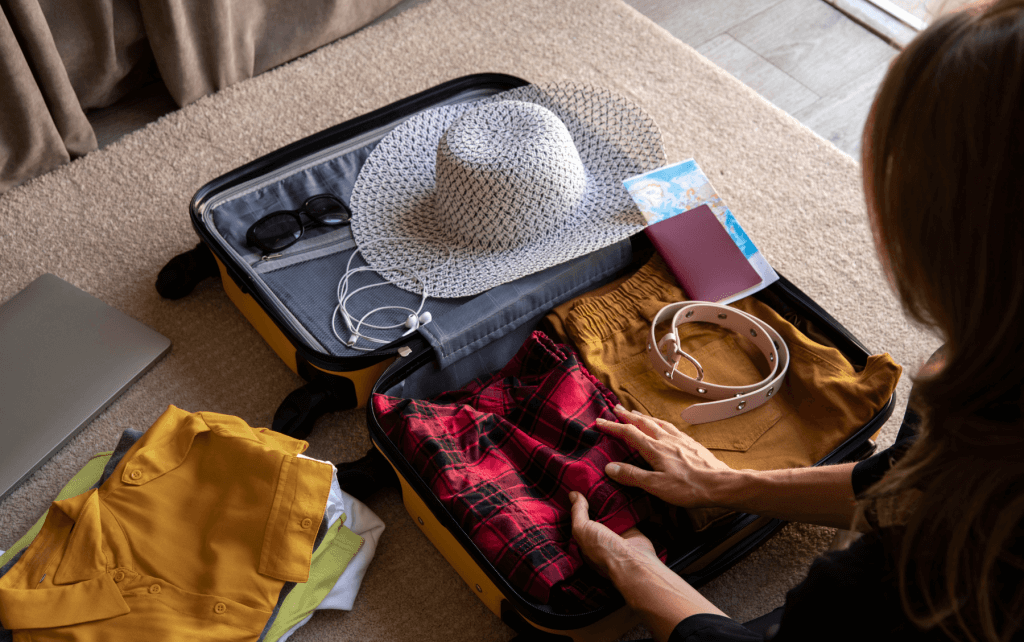
Essentials Only – Travel Light & Smart
Pack breathable fabrics and layer up for mountain areas. A rain jacket is handy in monsoon months. Quick-dry clothes help in humid areas. Don’t forget sunglasses and a foldable hat.
Walking Shoes vs Hiking Boots
While walking shoes will be sufficient for round-the-town trips, you will need sturdy hiking boots for hiking and treks, such as in Sapa.
Power & Tech Adapters
Vietnam Plug Types (A, C, F)
Vietnam mainly uses plug types A, C, and F. Most electronics will work if you use a universal adapter. Carry a power bank for long train rides and trekking days.
Must-Have Travel Apps
Install these before leaving:
- Grab: Ride and food delivery.
- Google Maps: Save offline maps.
- Google Translate: For signs and menus.
- Vexere: Book bus tickets.
eSIMs & Staying Connected
Why Use an eSIM in Vietnam
Skip the store hunt, connect instantly when you land. No queues, no forms, just activate and go.
Best Vietnam eSIM
Choose providers with strong coverage. You can consider Teloka, as it is a trusted Vietnam eSIM option.
Cost vs Local SIM
eSIM for Vietnam starts around $5. It saves time and avoids language or setup issues.
Short or Long Stays
Whether staying for days or weeks, the Vietnam eSIM works smoothly. Some even auto-top-up when low.
Medications & Toiletries
What’s Hard to Find Locally
Pack mosquito spray, sunscreen, and tampons. Bring painkillers and anti-nausea pills—local meds may be limited or mild.
Getting Around Vietnam – Transport Tips
Domestic Flights
Fly with budget airlines like VietJet, Bamboo, or Vietnam Airlines. Book 2–4 weeks ahead for better deals. Use Skyscanner or Google Flights to compare.
Trains in Vietnam
Trains are slow but scenic. Best routes: Hanoi–Da Nang and Hanoi–Sapa. Choose 4-berth cabins for better comfort.
Sleeper Buses & Vans
Regular sleepers are cheap but shaky. VIP sleepers have wider beds. Limousine vans are great for short trips.
Motorbikes & Ride Apps
Renting motorbikes is risky due to traffic. Use GrabBike, Be, or Xanh SM. Helmets are mandatory by law.
Food & Dining Tips in Vietnam
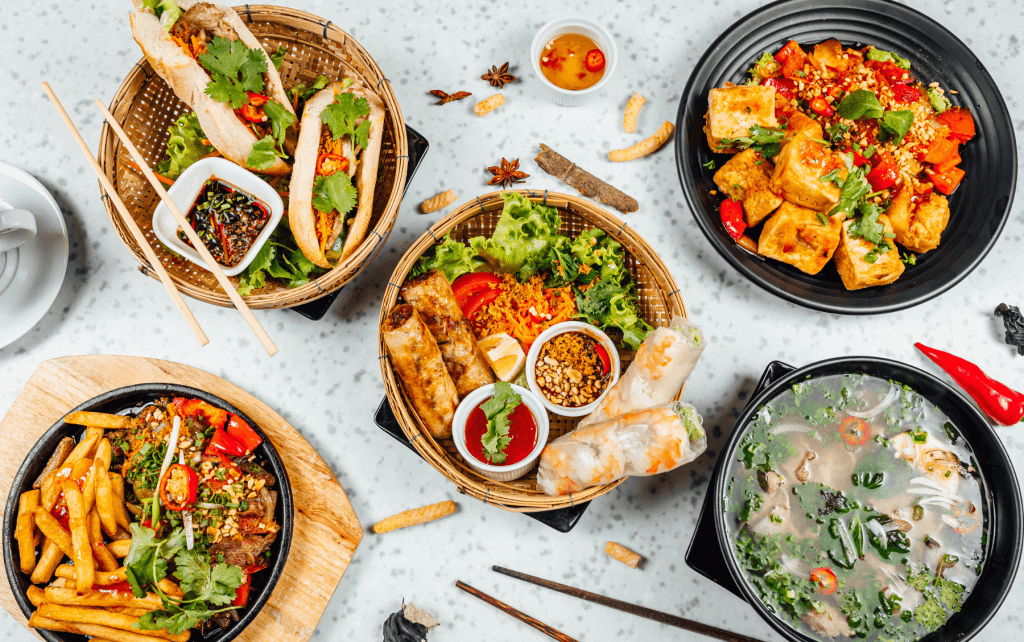
Street Food Tips
Try pho, bun cha, banh mi, banh xeo, and egg coffee. Eat where locals queue, not empty stalls.
Avoid Tourist Traps
Skip places with menus in many languages. Ask locals or join a food tour for better spots.
Dietary Needs
Many dishes use fish sauce. Learn “không cá” (no fish) and “ăn chay” (vegetarian). Cities have vegan cafes.
Cultural Tips, Safety & What Not to Do
Etiquette
Greet elders, cover your shoulders at temples, and remove your shoes indoors. Avoid public affection.
Scams
Avoid taxis without working meters. Use apps. If scammed, stay calm and ask your hotel for help.
Toilets
Carry tissues and sanitiser. Don’t flush paper unless signs say it’s okay.
Solo Women Travellers
Vietnam is safe. Dress modestly, avoid dark areas, and use Grab or trusted taxis at night.
Smart Travel Hacks to Save Time & Money
Laundry Services Instead of Overpacking
Most hotels offer laundry for VND 30,000–50,000 per kilo. Many streets have 24-hour service too.
Cash Is King – Card Usage Tips
ATMs are common, but they charge VND 20,000–50,000 per withdrawal.
Some shops accept cards, but cash works best in markets and local eateries.
Overnight Travel to Save on Hotels
Use night buses or trains for long journeys. You’ll save time and skip one night’s accommodation.
Sustainable & Responsible Travel in Vietnam
Support Local
Buy handicrafts from local artisans. Skip souvenirs mass-produced in China or Thailand.
Choose community-run tours and homestays for better cultural immersion.
Respect for Nature
Stay on marked paths during treks. Don’t touch coral while snorkelling or litter in forests.
Bring a reusable bottle to avoid plastic waste.
Vietnam Travel FAQs
Do I need a visa to visit Vietnam in 2025?
Yes, for most. Use the e-visa portal to apply.
How much money do I need for a 2-week trip to Vietnam?
USD 600–800 is enough for mid-range travel with a few luxuries.
What should I avoid doing in Vietnam as a tourist?
Avoid touching heads, showing disrespect at temples, or losing your temper publicly.
Is Vietnam safe for solo female travelers?
Yes, especially in cities. Just follow standard safety practices.
Should I use an eSIM for Vietnam or buy a local SIM card?
eSIM for Vietnam is faster and easier. Teloka is a trusted option.
Can I flush toilet paper in hotels in Vietnam?
Usually no. Use bins provided unless signs say otherwise.
What is the best travel insurance for Vietnam?
Choose one that covers transport delays, theft, and medical emergencies.
What are the best train routes to take in Vietnam?
Try Hanoi to Da Nang or Hanoi to Sapa for scenic journeys.
Feel free to refer back to this guide as you plan. Vietnam offers rich culture, tasty food, and warm hospitality.