
 Africa
 Algeria
 Benin
Benin Botswana
 Burkina-faso
 Burundi
 Cameroon
 Central African Republic
 Chad
Chad Congo (Democratic Republic of)
 Congo Republic
 Egypt
Egypt Eswatini
 Gabon
Gabon Ghana
Ghana Guinea-Bissau
 Ivory Coast
 Jamaica
 Kenya
Kenya Lesotho
 Liberia
 Libya
Libya Madagascar
 Malawi
 Mali
Mali Mauritius
 Mayotte
 Morocco
 Mozambique
 Niger
Niger Nigeria
 Republic of Rwanda
 Senegal
 Seychelles
 Sierra Leone
 South Africa
 Sudan
Sudan Tanzania
 Tunisia
 Uganda
 Zambia
 America
 Anguilla
 Antigua and Barbuda
 Argentina
 Aruba
Aruba Bahamas
 Barbados
 Belize
 Bermuda
 Bolivia
 Brazil
 Canada
 Chile
Chile Colombia
 Costa Rica
 Curacao
 Dominica
 Dominican
 Ecuador
 El Salvador
 Greenland
 Grenada
 Guadeloupe
 Guatemala
 Guyana
 Haiti
Haiti Haiwaii
 Honduras
 Martinique
 Mexico
 Montserrat
 Nicaragua
 Panama
 Paraguay
 Peru
Peru Puerto Rico
 Saint Barthelemy
 Saint Kitts and Nevis
 Saint Lucia
 Saint Martin
 Saint Vincent
 Sint Maarten
 Suriname
 Trinidad and Tobago
 United States
 Uruguay
 Venezuela
 Asia
Asia Afghanistan
 Armenia
 Azerbaijan
 Bahrain
 Bangladesh
 Bhutan
 Brunei
 Cambodia
 China
China Dubai UAE
 Georgia
 Hongkong
 India
India Indonesia
 Iran
Iran Iraq
Iraq Israel
 Japan
Japan Jordan
 Kazakhstan
 Kuwait
 Kyrgyzstan
 Laos
Laos Macau
Macau Malaysia
 Maldives
 Mongolia
 Nepal
Nepal Oman
Oman Pakistan
 Palestine
 Philippines
 Qatar
Qatar Saudi Arabia
 Singapore
 South Korea
 Sri Lanka
 Taiwan
 Tajikistan
 Thailand
 Tibet (China)
 Uzbekistan
 Vietnam
 Yemen
Yemen Europe
 Albania
 Andorra
 Austria
 Azores
 Belarus
 Belgium
 Bosnia and Herzegovina
 Bulgaria
 Corsica
 Croatia
 Cyclades
 Cyprus
 Czechia
 Denmark
 Estonia
 Finland
 France
 Germany
 Gibraltar
 Greece
 Guernsey
 Hungary
 Iceland
 Ireland
 Isle of Man
 Italy
Italy Jersey
 Kosovo
 Latvia
 Liechtenstein
 Lithuania
 Luxembourg
 Macedonia
 Malta
Malta Moldova
 Monaco
 Montenegro
 Netherlands
 Norway
 Poland
 Portugal
 Rhodes
 Romania
 Russia
 San Marino
 Sardinia
 Scotland
 Serbia
 Sicily
 Slovakia
 Slovenia
 Spain
Spain Svalbard and Jan Mayen
 Sweden
 Switzerland
 The Vatican City State
 Turkey
 Ukraine
 United Kingdom
 Wales
Wales Oceania
 Australia
 Fiji
Fiji Guam
Guam Nauru
Nauru New Zealand
 Papua New Guinea
 Saipan
 Tonga
Tonga Vanuatu
 Western Samoa
 Africa 23 Countries
 Africa 6 Countries
 Caribbean & South America 36 Countries
 USA & Mexico
 USA Canada Mexico
 Latin America 6 Countries
 North America 6 Countries
 Caucasus Mountains 3 Countries
 China Hongkong Macau
 Central Asia 4 Countries
 Asia 13 Countries
 Asia 19 Countries
 Balkans Region 12 Countries
 Europe 49 Countries
 Europe 33 Countries
 Northern Europe 4 Countries
 UK & Ireland
 Global
 Global 108 Countries
 Global 89 Countries
 Global 157 Countries
 Global 45 Countries
Discover France’s romance, art, cuisine, and diverse landscapes, from Paris and medieval villages to the French Riviera and the Alps.
France, renowned for its romance, art, history, and cuisine, invites travellers with its diverse landscapes and rich cultural heritage. From the sunny French Riviera to the snowy Alps, and from Paris's elegant streets to charming medieval villages, France offers something for everyone. This guide will help make your trip unforgettable.
Must-Visit Cities in France
France is home to a variety of vibrant cities, each offering its own charm and attractions. Here's a list of key destinations to visit:
Paris - City of Lights, Love, and Culture: No trip to France is complete without Paris. Marvel at the Eiffel Tower, wander the Louvre, stroll along the Seine, explore Montmartre, and soak in the café culture. A timeless classic.
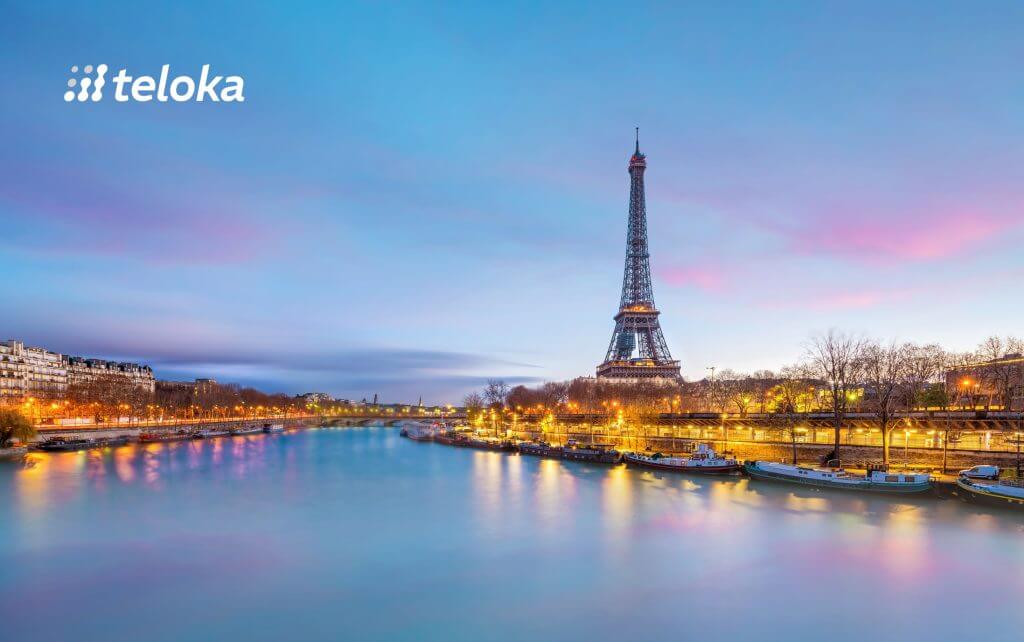
The romantic city of Paris at sunset
Nice & The French Riviera - Coastal Glamour: On the Côte d'Azur, Nice offers stunning Mediterranean views, a vibrant old town, and the Promenade des Anglais. It's the perfect base to explore Monaco, Cannes, and Saint-Tropez.
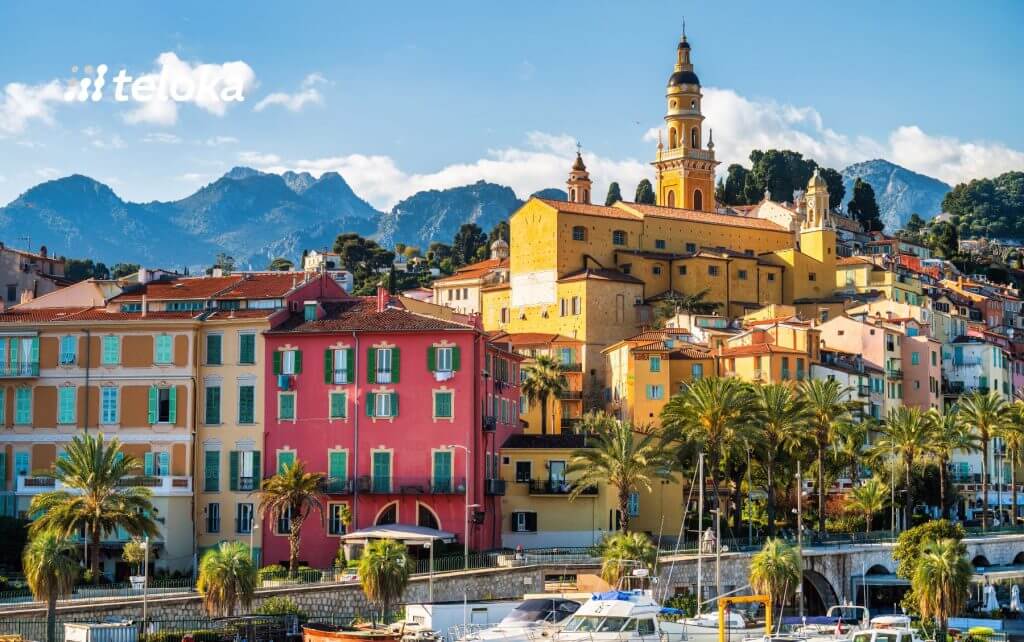
Sunny days and Mediterranean vibes in Nice
Lyon - France's Culinary Heart: Renowned for its gastronomy, Lyon delights food lovers with Michelin-starred restaurants and traditional bouchons. The city also boasts Roman ruins, Renaissance architecture, and hidden traboules.
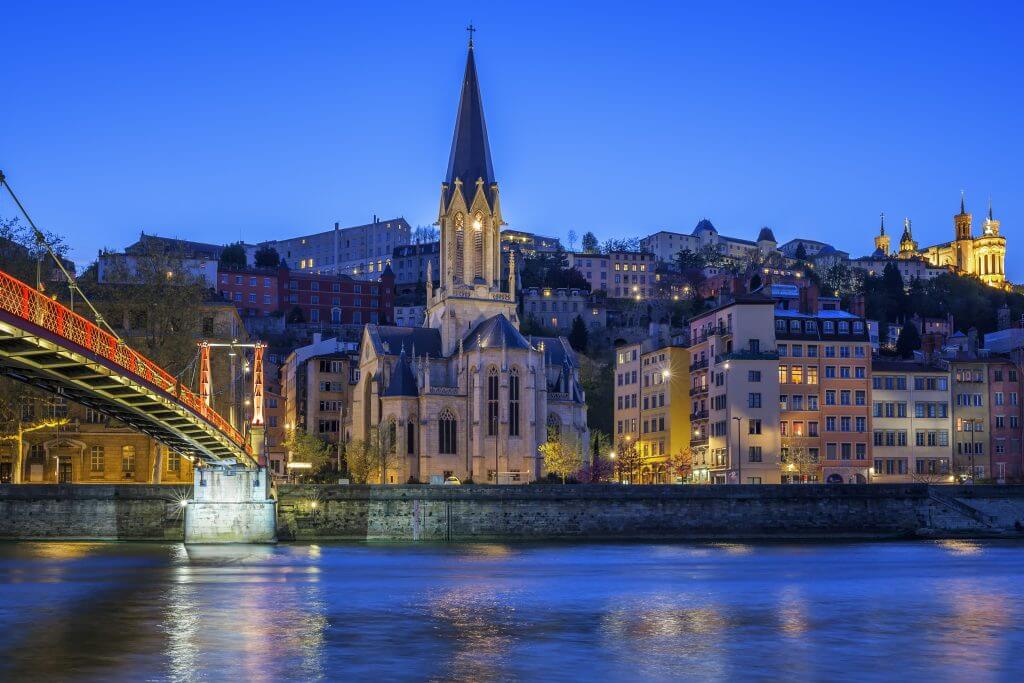
Famous church in Lyon with the Saone River at night
Bordeaux - Wine Capital & Elegant City: Bordeaux combines 18th-century elegance with world-famous wine culture. Visit the UNESCO-listed historic centre, the Cité du Vin, and nearby vineyards for exceptional wine tasting.
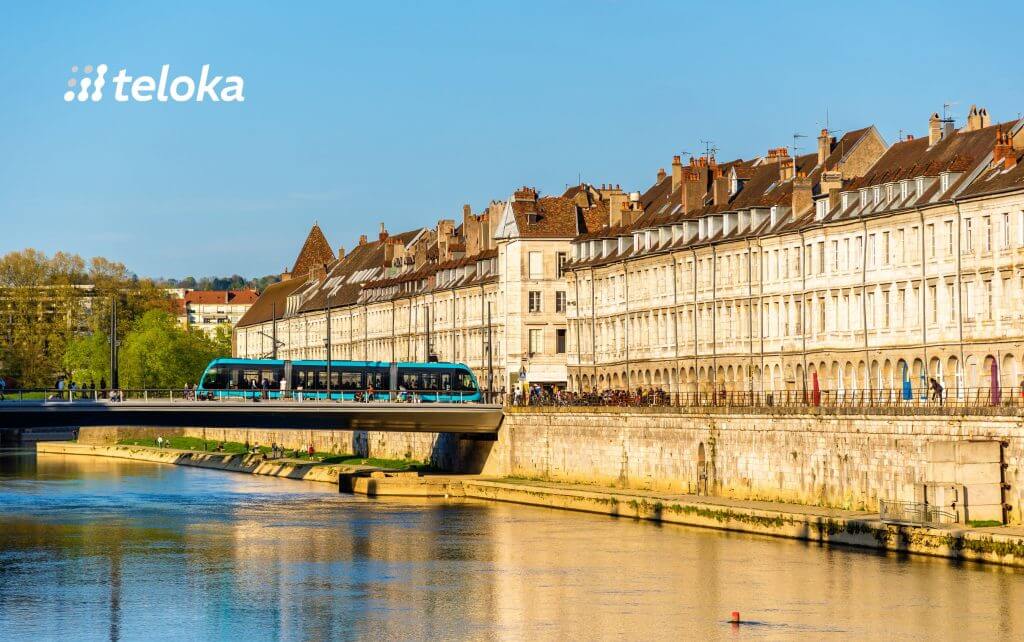
Bordeaux, a city of wine, culture, and timeless charm
Marseille - Dynamic Port with Rich History: France's oldest city and largest port, Marseille is a cultural melting pot. Explore the bustling Vieux Port, enjoy panoramic views from Notre-Dame de la Garde, and discover the dramatic Calanques along the Mediterranean.
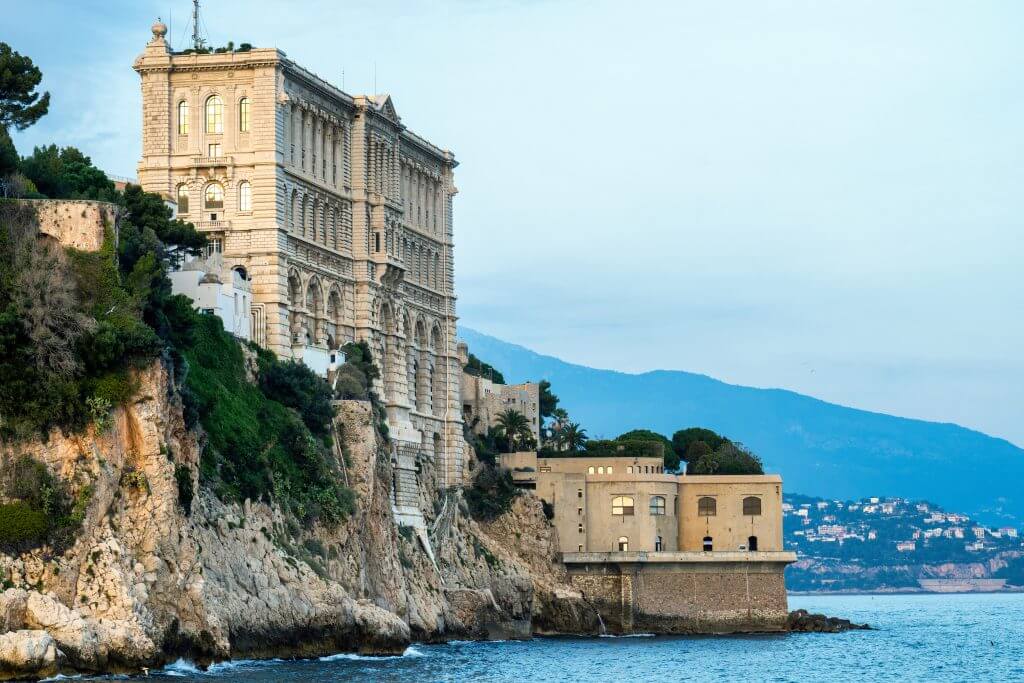
Exploring Marseille's historic streets and stunning coastline
Best Times to Visit
France's diverse climate means the "best" time to visit largely depends on your travel goals:
- Spring (April - May): Ideal for City Exploration and Bloom: With mild temperatures, fewer crowds than summer, and vibrant blooms in gardens and countryside, spring is perfect for sightseeing in cities and enjoying outdoor activities.
- Summer (June - August): Festivals, Beaches, and Bustling Energy: Summer is peak tourist season, offering warm weather, long daylight hours, and countless festivals. It's ideal for beach holidays on the coast and enjoying café terraces, but expect higher prices and larger crowds, especially in popular areas.
- Autumn (September - October): Harvest Season and Beautiful Foliage: Autumn brings pleasant temperatures, especially in early September, and is wine harvest season in regions like Bordeaux and Burgundy. The changing foliage creates stunning landscapes, making it a wonderful time for scenic drives and culinary tours.
- Winter (November - March): Skiing, Christmas Markets, and Fewer Crowds: While colder, winter offers unique experiences like skiing in the French Alps and charming Christmas markets across many cities. Major cities are less crowded, offering a quieter time to explore museums and enjoy cozy bistros.
Getting Around in France
France boasts an excellent transportation network, making it easy to navigate:
- Trains (SNCF): The TGV (Train à Grande Vitesse) is France's high-speed rail network, connecting major cities rapidly and efficiently. For example, Paris to Lyon is just under two hours. Regional trains (TER) connect smaller towns and offer scenic journeys. Booking in advance, especially for TGVs, is highly recommended for better prices. You can check schedules and book tickets on the official SNCF website.
- Buses: For shorter distances, inter-city buses (like FlixBus or Ouibus) can be a more economical option, particularly for routes not well-served by trains or for reaching smaller towns.
- Rental Cars: For exploring rural areas, picturesque villages, and natural parks (like Provence, the Loire Valley châteaux, or Normandy's D-Day beaches), a rental car offers unparalleled freedom and flexibility. Remember to drive on the right and be aware of toll roads (péages).
- City Transportation: Major cities like Paris, Lyon, and Marseille have extensive metro, tram, and bus systems. Walking is also a fantastic way to discover city centres.
Stay Connected Anywhere in France with eSIM
In today's connected world, staying online is crucial for navigation, communication, and sharing your adventures. A France eSIM is an incredibly convenient solution:
- Benefits for Travellers:
- Instant Connectivity: Purchase and activate your data plan before you even land, ensuring you're online as soon as you arrive.
- No SIM Swapping: Keep your physical SIM for your home number, and use the eSIM for local data.
- Cost-Effective: Often cheaper than international roaming charges from your home provider.
- Flexibility: Choose from various data packages tailored to your trip duration and usage needs.
- Ease of Use: Manage your plan through an app, top up easily, and switch between plans if needed.
- How it Works: Simply pur
- How it Works: Purchase an eSIM plan online from a provider, scan the QR code instructions to install it on your device, and activate it.
- Example Provider: One popular and reliable eSIM provider for international travel is Teloka. They offer various data packages for France at competitive prices.
Having an eSIM ensures you can use navigation apps, translate phrases, find restaurants, book rideshares, and stay in touch with loved ones without worrying about Wi-Fi availability or exorbitant roaming fees.
Safety & Practical Tips
Follow these practical tips to make your trip easier and more enjoyable:
- Many locals in tourist areas speak English, yet basic French phrases are useful, like Bonjour (hello), Merci (thank you), S'il vous plaît (please), and Pardon (excuse me) will go a long way and are greatly appreciated by locals.
- Currency: The official currency is the Euro (€). Credit cards are widely accepted, but it's always good to have some cash for smaller purchases or markets.
- Tipping: Service charge is usually included in restaurant bills in France (service compris). While not obligatory, rounding up the bill or leaving a few extra euros (e.g., €1-5) for excellent service is a kind gesture.
- Safety: France is generally a safe country, but like any popular tourist destination, be aware of pickpocketing, especially in crowded areas like Paris metro stations, major attractions (Eiffel Tower, Louvre), and busy markets. Keep your possessions safe and watch your surroundings.
- Emergency Numbers:
- 112: General European emergency number (can connect you to police, fire, or ambulance)
- 15: SAMU (medical emergency)
- 17: Police
- 18: Fire brigade
- Electrical Outlets: France uses Type E electrical outlets (two round pins with a hole for the male grounding pin). You'll need a suitable adapter for your devices.
- Dining Etiquette: French meals are an experience. Wait to be seated, keep your hands visible, avoid resting elbows on the table, and eat at a relaxed pace. Bread is usually placed directly on the table next to your plate, not on a separate dish.
- Museum Passes: If you plan to visit many museums and attractions in a city like Paris, consider purchasing a city pass (e.g., Paris Museum Pass) to save money and time.
With its rich history, unparalleled cuisine, breathtaking landscapes, and vibrant culture, France promises an adventure of a lifetime. By following this guide, you'll be well-prepared to immerse yourself in all the wonders this magnificent country has to offer. Bon voyage!