
 Africa
 Algeria
 Benin
Benin Botswana
 Burkina-faso
 Burundi
 Cameroon
 Central African Republic
 Chad
Chad Congo (Democratic Republic of)
 Congo Republic
 Egypt
Egypt Eswatini
 Gabon
Gabon Ghana
Ghana Guinea-Bissau
 Ivory Coast
 Jamaica
 Kenya
Kenya Lesotho
 Liberia
 Libya
Libya Madagascar
 Malawi
 Mali
Mali Mauritius
 Mayotte
 Morocco
 Mozambique
 Niger
Niger Nigeria
 Republic of Rwanda
 Senegal
 Seychelles
 Sierra Leone
 South Africa
 Sudan
Sudan Tanzania
 Tunisia
 Uganda
 Zambia
 America
 Anguilla
 Antigua and Barbuda
 Argentina
 Aruba
Aruba Bahamas
 Barbados
 Belize
 Bermuda
 Bolivia
 Brazil
 Canada
 Chile
Chile Colombia
 Costa Rica
 Curacao
 Dominica
 Dominican
 Ecuador
 El Salvador
 Greenland
 Grenada
 Guadeloupe
 Guatemala
 Guyana
 Haiti
Haiti Haiwaii
 Honduras
 Martinique
 Mexico
 Montserrat
 Nicaragua
 Panama
 Paraguay
 Peru
Peru Puerto Rico
 Saint Barthelemy
 Saint Kitts and Nevis
 Saint Lucia
 Saint Martin
 Saint Vincent
 Sint Maarten
 Suriname
 Trinidad and Tobago
 United States
 Uruguay
 Venezuela
 Asia
Asia Afghanistan
 Armenia
 Azerbaijan
 Bahrain
 Bangladesh
 Bhutan
 Brunei
 Cambodia
 China
China Dubai UAE
 Georgia
 Hongkong
 India
India Indonesia
 Iran
Iran Iraq
Iraq Israel
 Japan
Japan Jordan
 Kazakhstan
 Kuwait
 Kyrgyzstan
 Laos
Laos Macau
Macau Malaysia
 Maldives
 Mongolia
 Nepal
Nepal Oman
Oman Pakistan
 Palestine
 Philippines
 Qatar
Qatar Saudi Arabia
 Singapore
 South Korea
 Sri Lanka
 Taiwan
 Tajikistan
 Thailand
 Tibet (China)
 Uzbekistan
 Vietnam
 Yemen
Yemen Europe
 Albania
 Andorra
 Austria
 Azores
 Belarus
 Belgium
 Bosnia and Herzegovina
 Bulgaria
 Corsica
 Croatia
 Cyclades
 Cyprus
 Czechia
 Denmark
 Estonia
 Finland
 France
 Germany
 Gibraltar
 Greece
 Guernsey
 Hungary
 Iceland
 Ireland
 Isle of Man
 Italy
Italy Jersey
 Kosovo
 Latvia
 Liechtenstein
 Lithuania
 Luxembourg
 Macedonia
 Malta
Malta Moldova
 Monaco
 Montenegro
 Netherlands
 Norway
 Poland
 Portugal
 Rhodes
 Romania
 Russia
 San Marino
 Sardinia
 Scotland
 Serbia
 Sicily
 Slovakia
 Slovenia
 Spain
Spain Svalbard and Jan Mayen
 Sweden
 Switzerland
 The Vatican City State
 Turkey
 Ukraine
 United Kingdom
 Wales
Wales Oceania
 Australia
 Fiji
Fiji Guam
Guam Nauru
Nauru New Zealand
 Papua New Guinea
 Saipan
 Tonga
Tonga Vanuatu
 Western Samoa
 Africa 23 Countries
 Africa 6 Countries
 Caribbean & South America 36 Countries
 USA & Mexico
 USA Canada Mexico
 Latin America 6 Countries
 North America 6 Countries
 Caucasus Mountains 3 Countries
 China Hongkong Macau
 Central Asia 4 Countries
 Asia 13 Countries
 Asia 19 Countries
 Balkans Region 12 Countries
 Europe 49 Countries
 Europe 33 Countries
 Northern Europe 4 Countries
 UK & Ireland
 Global
 Global 108 Countries
 Global 89 Countries
 Global 157 Countries
 Global 45 Countries
First-time travelers often forget essentials like eSIMs, travel insurance, important documents, and charging gear. Stay prepared for a smooth trip abroad.
It is an exciting time when you are planning your first international trip! You most likely have a Pinterest board dedicated to all the places you want to go to, a packing list written down on your phone, and a countdown on your home screen. However, no matter how detailed your plans may be, it often happens that first-time travelers forget something. Travel can be a teacher, and at times, it gets you to learn the hard way.
Below are some things that you might forget when doing your first trip, and the reasons why you need to remember them so that you will not stress out at the last second.
The Digital Side: eSIMs and Connectivity Solutions
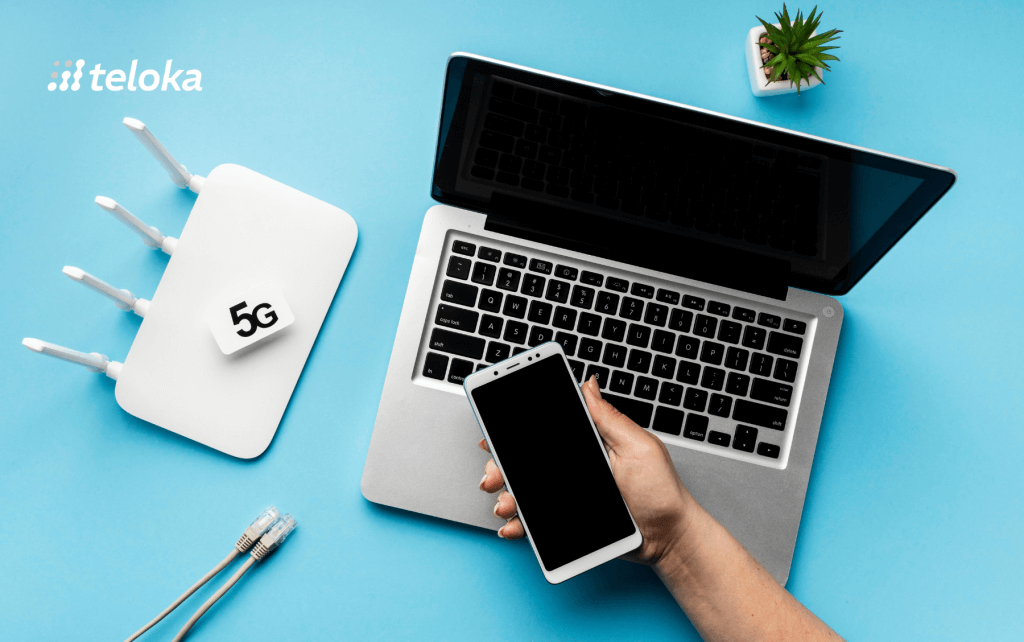
Stay connected anywhere with the best eSIMs
Many first-time travelers make the mistake of thinking their local SIM will work abroad, or will be fine relying on airport WiFi to sort all their connectivity problems out. But alas, the price of international roaming can be high, and public WiFi is sometimes neither safe nor accessible.
That is where eSIMs come into play. eSIMs, unlike regular SIM cards, which you need to replace with other SIM cards, are embedded right into your phone, and you can download a plan for the country you're visiting. For some countries, affordable prepaid eSIM deals with flexible terms that are cheaper than roaming.
Certain travelers examine the eSIM plans not simply for the internet, but for remaining connected to neighborhood offerings, maps, and creating apps. That's a minor move that will go a long way in making your travel more enjoyable.
Informed Banks or Card Travel Preference
Nothing quite says welcome to your holiday? With all the drama of having your debit card at a hotel check-in counter. International transactions can often be flagged as suspicious by banks if you have not notified them of your travel plans ahead of time.
You can set travel notifications through most banks' apps and websites. You may set up a travel profile for your chosen bank so that you are not prevented from accessing your funds.
Making Copies of Important Documents
Never did you think you would need a backup of your passport - that is, until you lost it or your bag was stolen. Having physical and digital copies of your passport, visa, vaccination certificates, and travel insurance will help expedite the replacement in case you lose them or in emergencies. So it is better to have these documents saved on your phone and in cloud storage.
Packing the Essentials-But Not Overpacking
Travellers tend to forget the fact that most of what is needed is available at the destination, usually at a price that is not exorbitant.
Check the weather for your destination, and pack what you'll need to make your trip work (power banks, international power adapters, or mini umbrellas all spring to mind here).
Local transport and how to reach your place
One of the things that first-time travelers often forget is to look into their mode of transportation from the airport to their accommodation. Here is what you need to know about booking a flight, but understanding the arrival time, public transit, or whether your destination is accessible to ride-hailing apps helps with stress relief after a long flight.
You should also check whether local taxi drivers will take credit cards or if you need cash.
Travel insurance: Forgotten too often, regretted in some cases
Although certain travelers think nothing can go wrong, taking care of travel insurance is more beneficial than you think. Insurance may not be able to eliminate all potential pain points, but it could soften the impact of a range of issues from flight delays and lost luggage through to medical emergencies.
For first-time travelers, this step can be passed over to save money, but the cost of a small injury or a missed connection can exceed the entire trip.
Time zones, jet lag, and your darn pill schedules
A long-overdue trip across time zones can disrupt your sleep schedule, your appetite, and even the rhythm of your medication! At least first-time travelers don't remember to change alarms or set new local time for reminders, let alone schedule for jet lag recovery.
Get a letter from your physician (for any prescriptions in particular), and put your medication in your carry-on bag should your checked suitcase get delayed.
Backup Power and Charging Essentials
Another easily forgotten item? Charging cables and adapters. An international adapter can be a simple yet vital tool because different countries have different plug types. If you are out all day and relying on maps or translation apps, a power bank can be a lifesaver, too!
And, if your accommodation is a quiet hostel or hotel with only a single socket, it might also be a good idea to pack a travel-size power strip.
Final note
A few mistakes on your first trip are easy to forget - part of the experience, really. However, knowing these tips that most people take for granted can ensure that you have a leg up on most people and enjoy your adventure more freely.
Got roaming plans that want to get flexible on the road? Teloka could have a handy eSIM option for you if you are travelling the world. So, if you are looking for cheap prepaid eSIM options or eSIM plans for different destinations, our service will keep you connected without worries!
FAQs
What is an eSIM, and why should you use it when going abroad?
An eSIM is a SIM that is embedded into your device and that can be activated without the need for a physical card. It could be convenient for travelers since they might get a better deal with local coverage and no need to change a physical SIM.
Are there cheap prepaid eSIMs if it is only for a short 1-2 week trip?
Sure, there are a ton of region-based, or data-only eSIM plans available from providers that are likely cheaper than traditional roaming or long-term mobile plans.
Travel Insurance For A Short Trip - Is It Really Needed?
It can be. Even on the shortest of trips, delays, cancellations, or health emergencies can arise. In such instances, however, travel insurance may come in handy and lessen the impact of unforeseen expenses.
How do I keep my bank from blocking my card when I am on the road?
Consider giving your bank a heads-up before traveling or adjusting your travel settings in your banking app. Having a backup is also a smart idea.